- Can Birds Eat Mango?
- Is Mango Safe For Birds?
- Health Benefits Of Mango For Birds
- Potential Risks Of Feeding Mango To Birds
- Can Birds Eat Mango Skin?
- Can Birds Eat Mango Seeds?
- Can Birds Eat Dried Mango?
- Can Birds Eat Frozen Mango?
- Can Pet Birds Eat Mango?
- Can Wild Birds Eat Mango?
- How To Feed Mango To Birds Safely
- What Fruits Can Birds Eat?
- Final Verdict
- Frequently Asked Questions
Can Birds Eat Mango?
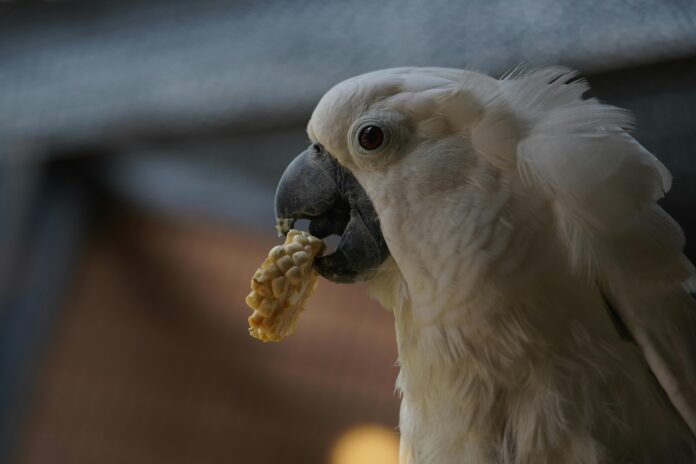
Yes birds can eat mango in moderation. Mango is a safe fruit for many bird species and provides vitamins antioxidants fiber and hydration. When served fresh and in small amounts mango can be a healthy treat for pet birds and some wild birds.
However mango should not replace a balanced diet. The fruit contains natural sugars and should only be offered occasionally. Bird owners should also remove the pit before feeding because it can create a choking hazard.
In this guide you will learn whether mango is safe for birds the benefits and risks of feeding mango and the best way to serve it safely.
Is Mango Safe For Birds?
Mango is considered safe for most birds when served properly. Many pet birds including parrots cockatiels budgies conures lovebirds canaries and finches can enjoy fresh mango as an occasional treat.
The fruit contains important nutrients that support overall health. It is also soft and easy for birds to eat which makes it a popular choice among bird owners.
Fresh ripe mango is always the best option. Avoid mango products that contain added sugar artificial flavors or preservatives because these ingredients may be harmful to birds.
Health Benefits Of Mango For Birds
Mango offers several nutritional benefits that make it a healthy addition to a birds diet when fed in moderation.
Rich In Vitamin A
Mango is a good source of Vitamin A and other nutrients. According to the USDA FoodData Central database mango contains several vitamins and minerals that support overall health. Vitamin A plays an important role in maintaining healthy eyesight skin and immune function. Many companion birds benefit from foods that naturally contain this nutrient.
Contains Powerful Antioxidants
Mango contains antioxidants that help protect cells from damage caused by free radicals. These compounds support overall health and may contribute to a stronger immune system.
Supports Hydration
Because mango contains a high amount of water it can help birds stay hydrated especially during warmer months.
Provides Dietary Fiber
Small amounts of fiber can support healthy digestion and help maintain normal digestive function.
Potential Risks Of Feeding Mango To Birds
Although mango is safe there are a few precautions every bird owner should know. Fresh fruits such as mango are generally a healthier option than processed human snacks. If you are wondering about baked treats you can also read our guide on Can Birds Eat Cinnamon.
Too Much Sugar
Mango naturally contains sugar. While this sugar is not harmful in small amounts feeding large quantities regularly may contribute to an unbalanced diet.
Digestive Upset
Introducing too much fruit too quickly can cause loose droppings or mild digestive discomfort in some birds.
Spoiled Fruit
Fresh fruit spoils quickly especially in warm weather. Any uneaten mango should be removed after a few hours to prevent bacterial growth.
Birds should receive a varied and balanced diet rather than relying heavily on fruit. The Association of Avian Veterinarians recommends offering a range of appropriate foods to support long term health.
Can Birds Eat Mango Skin?
Birds can eat mango skin but many bird owners prefer removing it before serving. Mango skin is tougher than the fruit itself and may be more difficult for smaller birds to eat.
If you choose to leave the skin on wash the mango thoroughly to remove dirt pesticide residue and other contaminants. Organic mangoes are generally the safest option.
For most pet birds peeled mango is the easiest and safest way to serve this fruit.
Can Birds Eat Mango Seeds?
No birds should not eat mango seeds. The large pit in the center of a mango can create a choking hazard and may be difficult for birds to break apart safely.
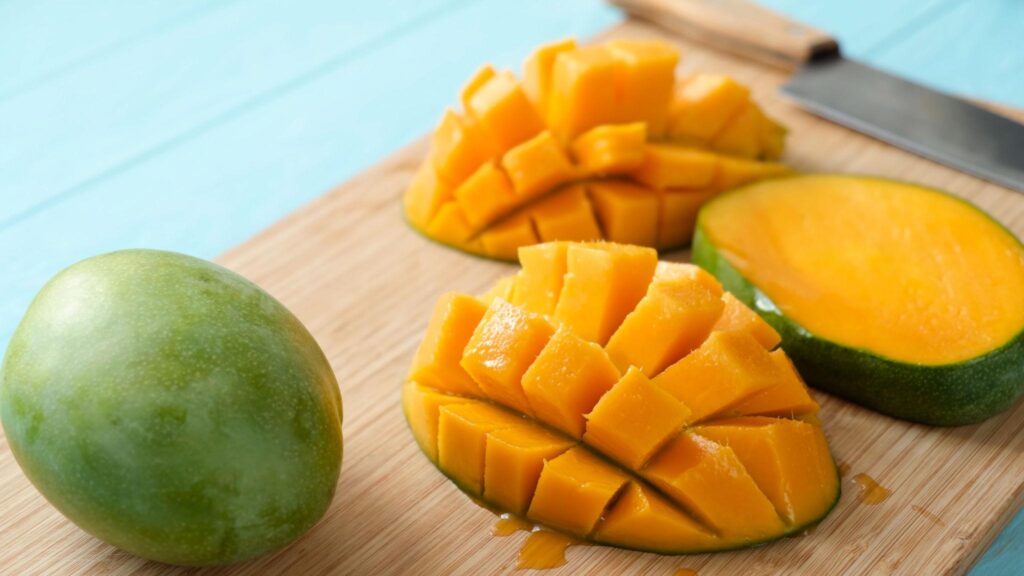
Before offering mango always remove the pit completely and serve only the soft flesh of the fruit.
Removing the seed also makes it easier for birds to enjoy the fruit without risk of injury.
Can Birds Eat Dried Mango?
Birds can occasionally eat plain dried mango but fresh mango is usually the better choice.
Many store bought dried mango products contain added sugar preservatives and other ingredients that are not suitable for birds. Excess sugar can contribute to an unhealthy diet and may cause digestive issues.
If you decide to offer dried mango choose unsweetened varieties and provide only a very small amount as an occasional treat.
Can Birds Eat Frozen Mango?
Yes birds can eat frozen mango once it has been thawed properly. Frozen mango retains many of the nutrients found in fresh mango and can be a convenient option when fresh fruit is unavailable.
Allow the mango to thaw completely before serving. Large frozen chunks may be difficult for birds to eat and could cause discomfort.
Always check that the mango contains no added sugar flavorings or preservatives.
Can Pet Birds Eat Mango?
Many pet birds enjoy mango and can safely eat it in moderation.
Common pet birds that can eat mango include:
- Parrots
- Cockatiels
- Budgies
- Lovebirds
- Conures
- Canaries
- Finches
Mango should be offered as a treat alongside a balanced diet that includes pellets vegetables seeds and other bird safe foods.
Can Wild Birds Eat Mango?
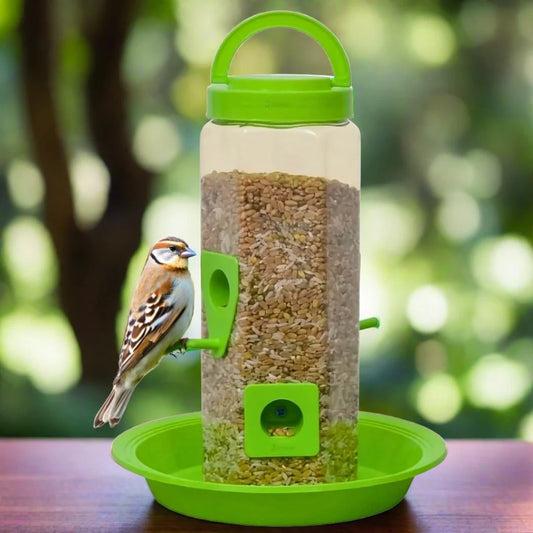
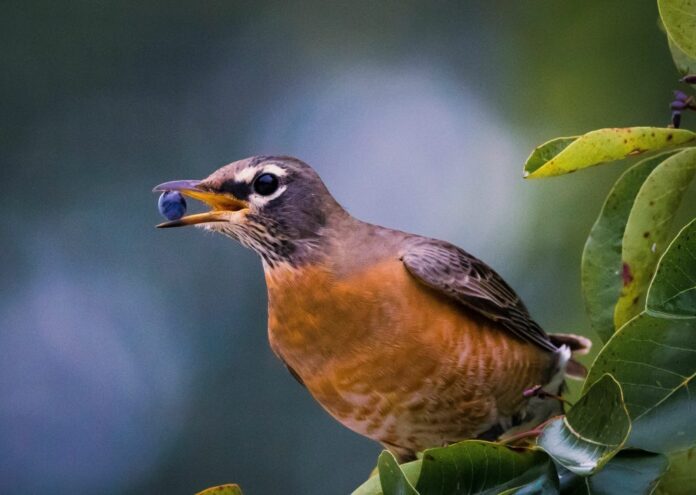
Some wild birds naturally eat fruits and may enjoy fresh mango when it is available. Fruit eating species are often attracted to sweet fruits because they provide energy and hydration.
If you choose to offer mango outdoors place small fresh pieces in a clean feeding area and remove leftovers before they spoil.
Fresh fruit should always supplement a birds natural diet rather than replace it.
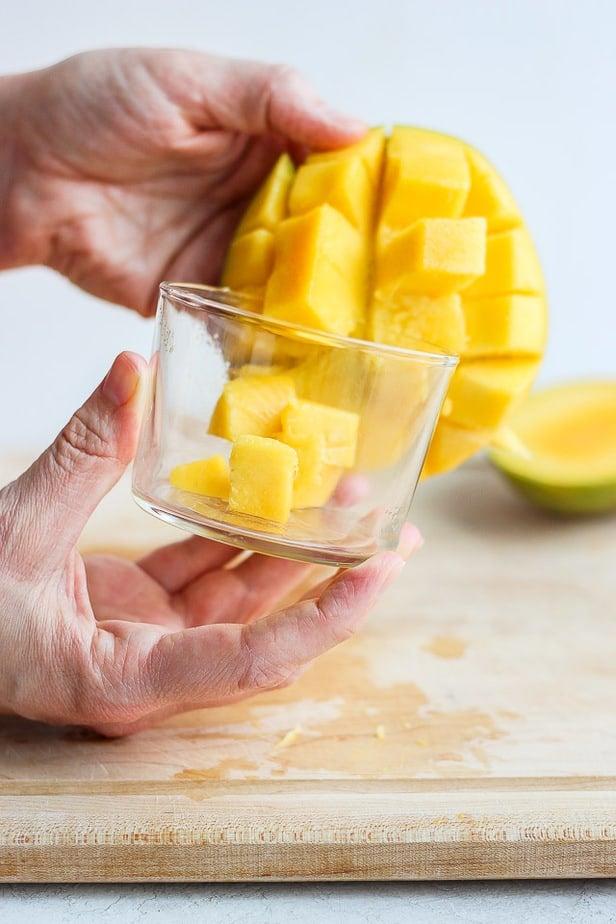
How To Feed Mango To Birds Safely
Feeding mango to birds is simple when done correctly. Following a few basic steps can help ensure the fruit is both safe and enjoyable.
- Wash the mango thoroughly before serving
- Remove the pit completely
- Peel the skin if desired
- Cut the fruit into small bite sized pieces
- Offer only a small portion at a time
- Remove uneaten fruit after a few hours
Fresh ripe mango is usually the best option because it is soft easy to eat and packed with nutrients.
What Fruits Can Birds Eat?
Mango is not the only fruit birds can enjoy. Many birds benefit from a variety of fruits as part of a balanced diet.
Bird safe fruits include:
- Apples without seeds
- Bananas
- Grapes
- Blueberries
- Strawberries
- Watermelon
- Papaya
- Pears
Offering different fruits can provide a wider range of vitamins minerals and antioxidants.
You may also like:
Final Verdict
Yes birds can eat mango safely when served in moderation. Mango provides vitamin A antioxidants fiber and hydration which can make it a healthy occasional treat for many bird species.
The safest way to feed mango is to remove the pit wash the fruit thoroughly and offer small fresh pieces. While mango can be a nutritious snack it should always be part of a balanced diet rather than a replacement for proper bird food.
When fed responsibly mango can be a delicious and healthy addition to your birds menu.
Frequently Asked Questions
Can Birds Eat Mango Every Day?
Mango should be offered occasionally rather than every day. Too much fruit can add excess sugar to a birds diet and may reduce the intake of other important foods.
Can Parrots Eat Mango?
Yes parrots can safely eat fresh mango in moderation. Many parrots enjoy the sweet taste and soft texture of ripe mango.
Can Baby Birds Eat Mango?
Baby birds have specific nutritional requirements and should primarily eat foods recommended for their species and age. Mango should not replace a proper feeding plan.
Can Birds Eat Unripe Mango?
It is generally best to feed ripe mango. Unripe mango can be harder to digest and may not be as appealing to birds.
Is Mango Better Than Other Fruits For Birds?
Mango is a healthy fruit but no single fruit should be considered the best. A variety of bird safe fruits provides the most balanced nutrition.